Get Help With Your Addiction
Why Every Intensive Outpatient Program (IOP) Must Become Data-Driven

For years in behavioral health, we have relied heavily on anecdote, intuition, and good intentions.
And while compassion is essential, it is not enough.
If we are serious about transforming addiction and mental health outcomes, especially in Intensive Outpatient Programs (IOP), we must become unapologetically data-driven.
Not for compliance. Not for payers. But for the people we serve.
The Evolution of IOP: From Access to Accountability
IOP programs have become one of the most critical levels of care in behavioral health. They bridge the gap between residential treatment and independent living. They allow individuals to receive structured therapeutic support while reintegrating into work, school, and family life.
But here’s the uncomfortable truth:
Not all IOP programs measure whether what they’re doing is actually working.
Attendance is tracked. Billing is tracked. Authorizations are tracked.
But outcomes? Long-term stabilization? Symptom reduction? Functional gains?
Those are often assumed, not measured.
That has to change.
What It Means to Be Data-Driven in IOP
At Sanctuary Recovery Centers, being data-driven means integrating clinical measurement into the daily rhythm of care.
We utilize validated tools such as:
PHQ-9 for depression severity
GAD-7 for anxiety tracking
Columbia Suicide Severity Rating Scale
Substance use frequency and relapse metrics
Housing, employment, and reunification indicators
These are not paperwork exercises. They are decision-making tools.
If a client’s anxiety scores plateau after four weeks, we adjust. If depressive symptoms spike, we intervene. If engagement drops, we ask why not just whether they showed up.
Data allows us to move from reactive care to responsive care.
Data Protects the Integrity of Care
In a value-based healthcare environment, outcomes matter more than volume.
Payers are increasingly asking:
Are symptoms improving?
Are hospitalizations decreasing?
Are clients maintaining sobriety?
Are family systems stabilizing?
But beyond reimbursement, there is a deeper reason to measure outcomes:
Data protects clients from ineffective treatment.
It ensures that IOP isn’t just a step-down service, but a clinically meaningful phase of recovery.
When we measure progress consistently, we can demonstrate:
Reduction in mental health severity scores
Increased engagement in recovery support
Improved employment and education outcomes
Sustained sobriety post-discharge
Without measurement, improvement is a guess.
The Leadership Responsibility
Being data-driven starts at the executive level.
If leadership treats outcome measurement as a compliance task, staff will too.
But if leadership frames it as a clinical compass, something that improves care and protects families, culture shifts.
At Sanctuary, we train our clinicians to see outcome tools not as audits, but as allies.
We discuss data in team meetings. We adjust programming based on trends. We analyze retention and relapse patterns. We connect clinical improvement to operational decisions.
Data informs staffing. Data informs programming. Data informs payer negotiations. Data informs strategic growth.
This is how IOP programs mature from service providers into accountable healthcare organizations.
Data and Generational Impact
In IOP, the work extends beyond symptom reduction.
We are stabilizing parents. We are supporting adolescents. We are helping justice-involved individuals reenter community life.
When we measure outcomes, we see something powerful:
When depression decreases, parenting stability improves. When anxiety stabilizes, employment increases. When engagement improves, relapse rates drop.
This is not just individual recovery.
This is generational repair.
And generational change deserves measurable proof.
The Future of IOP Care
The next era of behavioral health will not be defined by how many beds we operate.
It will be defined by:
Outcome transparency
Clinical accountability
Long-term engagement tracking
Value-based partnerships
Integrated data systems
IOP centers that fail to modernize their measurement systems will struggle, not because they lack heart, but because they lack evidence.
The organizations that thrive will be those that can demonstrate, clearly and consistently:
“We don’t just provide treatment. We produce measurable change.”
Final Thought
Compassion brought many of us into this field.
Data will sustain it.
At Sanctuary Recovery Centers, we believe healing should be both human and measurable. When we combine empathy with evidence, we don’t just treat addiction and mental health challenges, we build systems strong enough to transform families and communities.
That is the responsibility of modern behavioral health leadership.
And that is the future of Intensive Outpatient care.
Learn more at: www.sanctuaryRC.com

The Power of Lived Experience in Adolescent Recovery: Why Connection Matters
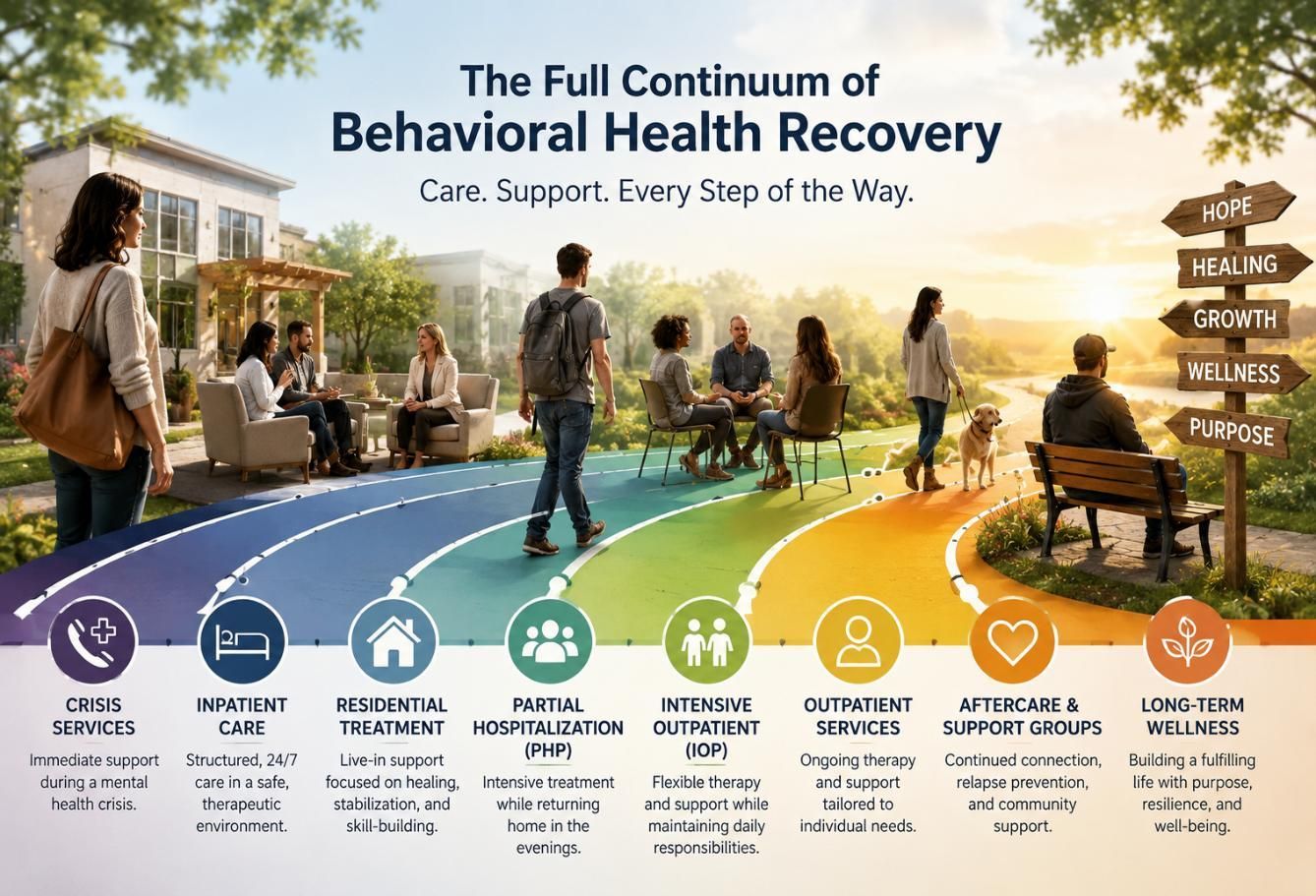
Understanding the Full Continuum of Care in Behavioral Health Recovery

Recovery rarely happens in a single breakthrough moment. For many people seeking help, healing begins with one difficult decision, followed by a series of important milestones that build lasting change over time. Understanding the stages of recovery can help individuals and families know what to expect and recognize progress, even when the journey feels challenging. Addiction recovery is often described as a process rather than an event. Each stage serves a different purpose, helping people move from active substance use toward long-term stability, health, and personal growth. Addiction recovery typically progresses through five stages: precontemplation, contemplation, preparation, action, and maintenance. While every person's experience is unique, these stages provide a framework for understanding how meaningful and lasting recovery develops over time. Individuals may move forward steadily, revisit earlier stages, or spend more time in certain phases depending on their circumstances and support system. What People and Families Should Know About Recovery Recovery is a process that develops over time, not a single event. People often move through the stages at different speeds based on their needs and circumstances. Setbacks do not mean failure. They can provide opportunities to learn and strengthen recovery strategies. Professional treatment, peer support, and family involvement can make each stage more manageable. Long-term recovery focuses not only on abstinence but also on rebuilding physical, emotional, and social well-being. Understanding How Recovery Develops Over Time The five-stage model comes from behavioral change research and is widely used to understand how people make significant life changes. In addiction treatment, these stages help clinicians, individuals, and families identify where someone is in their recovery journey and what type of support may be most effective. For people entering treatment, understanding these stages can reduce frustration and provide realistic expectations. Progress may not always be linear, but each stage contributes to long-term success. At Sanctuary Recovery Centers, we help individuals navigate every phase of recovery with compassionate support and evidence-based treatment approaches designed to meet them where they are. Recovery often involves physical healing, emotional growth, lifestyle changes, and the development of healthier coping strategies. Recognizing the purpose of each stage can help individuals stay focused on progress rather than perfection. The five stages of addiction recovery provide a roadmap for change. Each stage presents unique challenges and opportunities that help individuals move toward healthier, more fulfilling lives. Recovery is most successful when people receive the right support at the right time. Key Recovery Milestones Recovery begins when a person starts recognizing the impact of substance use on their life. Motivation often develops gradually rather than appearing all at once. Professional treatment can help individuals move more effectively through each stage. Long-term success depends on maintaining healthy habits and support systems. Ongoing growth remains an important part of recovery even after treatment ends. If you or a loved one is considering treatment, understanding these stages can help you feel more prepared and confident about the recovery process. [ Learn More About Treatment Options] Local Data / Evidence The five stages of recovery are based on the Transtheoretical Model of Behavior Change, a widely recognized framework used throughout behavioral health and addiction treatment settings. Healthcare professionals use this model to understand how people adopt healthier behaviors and overcome harmful habits. Organizations across the addiction treatment field use stage-based approaches because recovery involves both physical and psychological change. Different interventions are often more effective at different points in the recovery journey. Local Impact The impact of understanding the recovery stages is significant because it helps individuals and families recognize progress that may otherwise go unnoticed. Recovery often involves gradual improvements in decision-making, relationships, physical health, emotional regulation, and overall quality of life. Families frequently feel discouraged when change does not happen immediately. Understanding that recovery occurs in stages can help loved ones provide appropriate support and maintain realistic expectations throughout treatment and beyond. Expert Commentary The five-stage model reminds us that motivation is not fixed. Many individuals enter treatment with mixed feelings about recovery, and that is completely normal. We often see people gain confidence and commitment as they progress through treatment and begin experiencing positive changes. One common misconception is that someone must be fully motivated before treatment can help. In reality, treatment often helps individuals build the motivation and skills needed to sustain recovery. Warning Signs That Professional Support May Be Needed Professional support may be beneficial when substance use begins affecting daily life, health, relationships, work, or emotional well-being. Common warning signs include: Increased tolerance or needing more of a substance to achieve the same effect. Difficulty controlling substance use despite repeated attempts. Withdrawal symptoms when not using. Neglecting responsibilities at work, school, or home. Strained relationships with family or friends. Loss of interest in activities that were once enjoyable. Continuing substance use despite negative consequences. Increased secrecy or isolation. Waiting too long to seek help can allow addiction to become more severe and difficult to manage. When to Call a Professional Professional treatment is appropriate when substance use becomes difficult to control, creates significant consequences, or begins affecting health and safety. While some individuals may recognize a problem early, others benefit from guidance in identifying the severity of their situation. A professional assessment can help determine the most appropriate level of care and provide recommendations based on individual needs. Early intervention often creates more opportunities for successful long-term recovery. [Schedule a Confidential Assessment] Common Local Causes Addiction develops through a combination of biological, psychological, environmental, and social factors. Common contributors include: Genetic predisposition and family history. Mental health conditions such as anxiety, depression, or trauma. Chronic stress and unhealthy coping mechanisms. Social influences and peer pressure. Early exposure to substance use. Significant life transitions or emotional challenges. Understanding these underlying factors is important because effective treatment addresses more than substance use alone. Prevention Preventing addiction and supporting recovery often involves building healthy coping strategies, maintaining strong support systems, and addressing mental health concerns early. Practical prevention measures include: Developing healthy stress-management techniques. Seeking support during difficult life events. Maintaining open communication with trusted individuals. Participating in counseling when needed. Building routines that support physical and emotional wellness. Addressing mental health concerns before they worsen. Prevention is most effective when individuals recognize risk factors and seek support before substance use becomes more severe. Expected Results Recovery can lead to meaningful improvements in physical health, emotional stability, relationships, career performance, and overall quality of life. The timeline varies from person to person, but many individuals begin experiencing positive changes during treatment and continue building on those gains over time. Long-term success often depends on consistent engagement with recovery resources, healthy routines, and ongoing support networks. Recovery Insight Recovery is not measured solely by the absence of substance use. Sustainable recovery often includes improved coping skills, healthier relationships, greater self-awareness, and a stronger sense of purpose. Common Mistakes Common mistakes during recovery can slow progress and increase the risk of relapse. Mistake: Expecting immediate results. Consequence: Frustration and discouragement. Better Approach: Focus on gradual progress and long-term goals. Mistake: Avoiding support systems. Consequence: Increased isolation and vulnerability. Better Approach: Stay connected with treatment providers, peers, and loved ones. Mistake: Ignoring mental health concerns. Consequence: Underlying issues remain unresolved. Better Approach: Address both addiction and mental health together when appropriate. Mistake: Becoming overconfident early in recovery. Consequence: Reduced attention to relapse prevention strategies. Better Approach: Continue practicing healthy habits and maintaining support. Real Recovery Scenario A common recovery scenario involves an individual who initially does not believe their substance use is causing significant problems. Over time, consequences become more apparent, leading them to consider change. After exploring treatment options, they commit to a recovery plan, actively participate in treatment, and develop healthier coping skills. Through ongoing support and maintenance strategies, they build a more stable and fulfilling life. This example reflects a common recovery journey and is not based on a specific client case. Related Service Solutions Addiction recovery is supported by a range of treatment services designed to address different needs and stages of change. Depending on individual circumstances, treatment may include assessment services, detoxification support, residential treatment, outpatient programs, individual counseling, group therapy, family support, and aftercare planning. The most effective treatment plans are tailored to the individual's unique history, goals, and recovery needs. [Explore Treatment Programs] Service Areas Our team works with individuals and families seeking compassionate, evidence-based addiction treatment and recovery support. Local knowledge and accessible care can play an important role in successful long-term recovery. Cost of Ignoring This Issue Ignoring addiction often allows problems to become more severe over time. Potential consequences can include worsening physical health, mental health challenges, damaged relationships, employment difficulties, financial strain, and legal issues. Early intervention often provides more treatment options and may reduce the long-term impact of substance use disorders. Seeking help sooner rather than later can make recovery more manageable and improve overall outcomes. [Speak With a Recovery Specialist Today] FAQ What are the five stages of addiction recovery? The five stages of addiction recovery are precontemplation, contemplation, preparation, action, and maintenance. These stages describe how individuals move from not recognizing a problem to making lasting changes that support long-term recovery. Is recovery a linear process? No, recovery is rarely linear. Many people move back and forth between stages as they learn new skills, face challenges, and strengthen their commitment to recovery. What happens during the contemplation stage? During contemplation, individuals begin recognizing that substance use may be causing problems. They weigh the benefits and challenges of change while considering whether treatment may be necessary. Why is the preparation stage important? The preparation stage is important because individuals begin making concrete plans for change. This may include researching treatment options, speaking with loved ones, or scheduling an assessment. What occurs during the action stage? The action stage involves actively changing behaviors and participating in recovery efforts. This often includes treatment, counseling, support groups, and the development of healthier coping strategies. What is the maintenance stage? The maintenance stage focuses on sustaining recovery over time. Individuals continue practicing healthy habits, managing triggers, and strengthening support systems to reduce relapse risk. Can someone skip a stage of recovery? Most people experience elements of each stage, although the timeline and progression vary. Some stages may move quickly while others require more time and support. How can family members support recovery? Family members can support recovery by encouraging treatment, participating in family programs when appropriate, maintaining healthy boundaries, and learning about addiction and recovery processes. Closing Statement Recovery is a journey that unfolds through meaningful stages of change. Understanding these stages can help individuals and families recognize progress, build resilience, and stay focused on long-term healing. Sanctuary Recovery Centers is committed to supporting people at every step of that journey. Take the Next Step Toward Recovery Whether you are exploring treatment for yourself or supporting a loved one, understanding the recovery process is an important first step. We are here to help you learn about your options, answer your questions, and provide guidance in a compassionate, confidential environment. [CONTACT US TODAY]
Addiction rarely develops because of a single event. For many people, it grows from a combination of emotional, environmental, and biological factors that build over time. Understanding these influences can help individuals and families recognize risks earlier and seek support before substance use becomes more difficult to overcome. The Four C's of addiction offer a simple framework for understanding how addiction affects behavior and decision-making. While every person's experience is unique, these four characteristics are commonly seen across many forms of substance use disorder. The Four C's of addiction are Craving, Compulsion, Consequences, and Control. These four characteristics help explain how addiction changes behavior over time. Individuals often experience intense cravings, feel compelled to use substances, continue despite harmful consequences, and struggle to control their use even when they want to stop. What People Should Know About the Four C's of Addiction Cravings can become powerful enough to dominate thoughts and daily routines. Compulsive substance use often continues even when a person understands the risks. Negative consequences can affect relationships, employment, finances, and physical health. Loss of control is one of the defining characteristics of addiction and often signals the need for professional support. The Four C's help families and individuals recognize patterns that may otherwise be dismissed as temporary problems. Why Understanding Addiction Matters Understanding the Four C's of addiction helps people recognize substance use disorders earlier and make informed decisions about treatment. Addiction affects individuals from all backgrounds and age groups, and recognizing these warning signs can make a meaningful difference in recovery outcomes. Many people initially believe addiction is simply a matter of willpower. Modern addiction treatment and behavioral health research show that substance use disorders involve complex interactions between brain chemistry, mental health, genetics, environment, and life experiences. Recognizing the Four C's provides a clearer picture of what addiction looks like in real life. At Sanctuary Recovery Centers, we believe education is an important part of recovery. Understanding the signs of addiction can help individuals seek help sooner and support loved ones more effectively. Addiction often develops gradually. What begins as occasional use can become more frequent over time, especially when substances are used to cope with stress, trauma, anxiety, depression, or other life challenges. The Four C's provide a practical way to identify patterns commonly associated with substance use disorders. They are not a diagnosis on their own, but they can help individuals understand when substance use may have moved beyond casual or recreational behavior. Understanding the Four Core Characteristics Craving refers to a strong desire or urge to use a substance. These cravings can be emotional, physical, or psychological. A person may find themselves thinking about alcohol or drugs throughout the day, anticipating their next opportunity to use, or feeling uncomfortable when they cannot access the substance. Compulsion occurs when substance use becomes difficult to resist. Even when a person intends to stop or reduce use, they may feel driven to continue. Compulsive behavior often develops as the brain begins associating substance use with relief, pleasure, or emotional escape. Consequences involve the negative outcomes caused by continued substance use. These may include declining health, relationship conflicts, legal issues, financial problems, workplace difficulties, or academic struggles. Despite recognizing these problems, individuals often continue using substances. Control refers to the ability to regulate substance use. One of the most common signs of addiction is repeated unsuccessful attempts to cut back or quit. A person may set limits for themselves but repeatedly exceed them or return to substance use after periods of abstinence. The Four C's of addiction are Craving, Compulsion, Consequences, and Control. Together, these characteristics help explain why addiction can persist even when a person genuinely wants to stop. Addiction and Behavioral Health Addiction affects both the brain and behavior, making recovery more complex than simply deciding to quit. Long-term substance use can alter brain pathways involved in motivation, reward, decision-making, and impulse control. Organizations such as the National Institute on Drug Abuse and the Substance Abuse and Mental Health Services Administration recognize substance use disorder as a chronic but treatable medical condition. Understanding addiction through frameworks like the Four C's helps reduce stigma and encourages individuals to seek evidence-based treatment. How Addiction Impacts Daily Life The impact of addiction often extends far beyond substance use itself. Individuals may experience difficulties maintaining employment, managing responsibilities, supporting family relationships, or caring for their physical and mental health. Common effects include: Increased conflict with family members and friends Financial instability caused by substance-related spending Poor work or school performance Physical health complications Anxiety, depression, or emotional distress Social isolation Legal or safety concerns As addiction progresses, these challenges often become more severe. Professional Perspective on the Four C's The Four C's provide a useful framework for recognizing when substance use may require professional intervention. While occasional substance use does not automatically indicate addiction, repeated patterns involving cravings, compulsive behavior, ongoing consequences, and loss of control deserve attention. Many people delay treatment because they believe their situation is not serious enough. In reality, early intervention often leads to better outcomes and may prevent more significant consequences from developing. Signs It May Be Time to Seek Help Professional help may be appropriate when substance use begins affecting health, relationships, responsibilities, or overall quality of life. Common indicators include: Repeated unsuccessful attempts to quit Increasing tolerance or withdrawal symptoms Frequent cravings Neglecting responsibilities Continuing use despite known risks Relationship conflicts related to substance use Loss of interest in previously enjoyed activities If several of these signs are present, a professional assessment may provide valuable guidance. [Learn More About Your Treatment Options] Common Factors That Contribute to Addiction Addiction often develops through a combination of biological, psychological, and environmental influences. While every situation is unique, common contributing factors include: Family history of substance use disorders Exposure to trauma or chronic stress Co-occurring mental health conditions Early substance use Social influences and peer pressure Chronic pain or medical conditions Limited access to healthy coping mechanisms Understanding these influences can help individuals identify risk factors and pursue healthier alternatives. Prevention and Early Awareness Early awareness is one of the most effective tools for preventing addiction from becoming more severe. Education, healthy coping skills, strong support systems, and timely mental health care can reduce risk and improve long-term outcomes. People who recognize the Four C's in themselves or a loved one should consider speaking with a healthcare provider, counselor, or addiction specialist to better understand available options. What Recovery Can Look Like Recovery is possible, and treatment can help individuals regain stability, health, and control over their lives. Effective treatment often includes a combination of therapy, peer support, medical care, behavioral interventions, and relapse prevention strategies. Recovery is not always a straight path, but many individuals successfully build healthier lives with the right support and resources. Professional Insight Understanding the Four C's can help individuals recognize addiction before its consequences become more severe. Early recognition often creates opportunities for intervention, support, and treatment that may significantly improve long-term recovery outcomes. Common Misunderstandings About Addiction Several misconceptions can prevent people from seeking help. Mistake: Believing addiction is simply a lack of willpower. Consequence: Delayed treatment and increased stigma. Better Approach: Recognize addiction as a complex health condition that often requires professional support. Mistake: Waiting for a crisis before seeking help. Consequence: Greater health, financial, and relationship damage. Better Approach: Address concerns as soon as warning signs appear. Mistake: Assuming recovery is impossible after relapse. Consequence: Loss of motivation and reduced treatment engagement. Better Approach: Understand that setbacks can occur and are often part of the recovery process. A Common Recovery Scenario A common situation involves someone noticing increasing cravings, failed attempts to cut back, and growing problems at work or home. They may recognize the consequences but continue using because they feel unable to stop. Through professional treatment, education, counseling, and support, many individuals learn healthier coping strategies and begin rebuilding their lives. Treatment Options That Address the Four C's Professional addiction treatment is designed to address the cravings, compulsions, consequences, and loss of control associated with substance use disorders. Treatment plans may include: Medical detoxification when appropriate Individual counseling Group therapy Family support services Relapse prevention planning Mental health treatment Ongoing recovery support Different individuals benefit from different levels of care, making personalized treatment important. [Explore Treatment Options] Comparing Self-Management and Professional Treatment While some individuals attempt to manage substance use on their own, professional treatment often provides additional structure, accountability, and clinical support. Self-monitoring may help identify patterns, but persistent cravings, compulsive behavior, ongoing consequences, or loss of control typically warrant professional evaluation. Treatment professionals can help identify underlying issues and develop strategies tailored to each individual's circumstances. The Cost of Waiting Delaying treatment can allow addiction-related problems to become more severe over time. Health complications, damaged relationships, workplace difficulties, legal concerns, and emotional distress often become harder to address when substance use continues unchecked. Seeking help early may reduce the long-term impact of addiction and improve recovery outcomes. [Reach Out Today to Learn More] Frequently Asked Questions What are the Four C's of addiction? The Four C's of addiction are Craving, Compulsion, Consequences, and Control. These characteristics help explain how addiction affects behavior and why substance use can continue despite harmful outcomes. Why are the Four C's important? The Four C's provide a simple framework for recognizing common signs of addiction. They can help individuals, families, and professionals identify patterns that may indicate a substance use disorder. Does experiencing cravings automatically mean someone has an addiction? No. Cravings can occur without addiction. However, persistent cravings combined with compulsive use, negative consequences, and loss of control may indicate a more serious issue. Can someone recover if they have experienced all Four C's? Yes. Many individuals who experience all four characteristics successfully recover through appropriate treatment, support, and ongoing recovery efforts. Is addiction a medical condition? Yes. Major medical and behavioral health organizations recognize substance use disorder as a treatable medical condition that affects brain function and behavior. When should someone seek professional treatment? Professional treatment should be considered when substance use begins affecting health, relationships, work performance, finances, or overall quality of life. Understanding the Four C's of addiction can provide valuable insight into how substance use disorders develop and persist. At Sanctuary Recovery Centers, we understand the challenges addiction can create and the importance of compassionate, evidence-based support for those seeking recovery. Take the First Step Toward Recovery Recovery starts with understanding the problem and knowing that help is available. If you or someone you care about is experiencing the Four C's of addiction, now may be the right time to explore your options. [CONTACT SANCTUARY RECOVERY CENTERS TODAY]
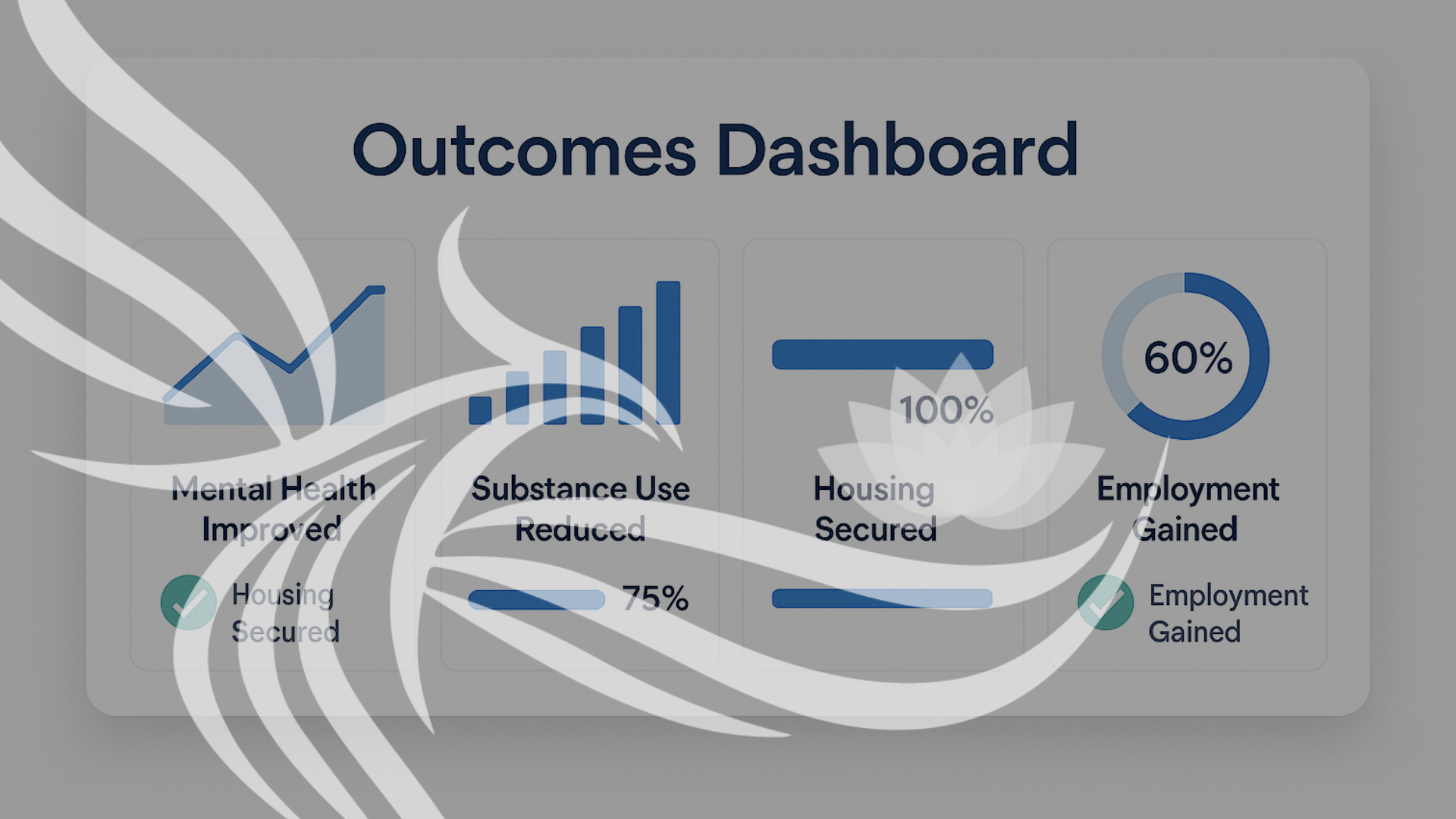
In a rapidly evolving healthcare landscape, one thing is certain: data drives better care. Nowhere is this more urgent or transformative than in behavioral health. As providers across the nation navigate the shift toward value-based care, those who embrace data and outcomes tracking are not just adapting they’re leading. Why Outcomes Matter More Than Ever Historically, behavioral health has struggled to quantify success. Unlike many medical fields, mental health and substance use treatment outcomes aren't always visible on a scan or lab result. But that’s changing. With the rise of evidence-based practices, validated assessment tools, and performance-based reimbursement models, behavioral health providers are now expected to prove their impact. Payers, policymakers, and families alike want to know: Are patients getting better? Are they staying better? And how do we know? The Cutting Edge of Measurement At the forefront of this movement are organizations building real-time, data-informed systems of care. These systems don't just track attendance or discharge status they evaluate: Clinical symptom reduction using tools like PHQ-9, GAD-7, or the Columbia-Suicide Severity Rating Scale (C-SSRS) Functionality improvements, such as return to work or school Quality of life indicators—housing stability, relationships, and personal goals Post-discharge outcomes, such as readmission rates, relapse prevention, and ongoing engagement in recovery The goal is clear: to close the loop between treatment and real-world success. Leveraging Technology for Better Care Modern behavioral health leaders are integrating digital tools that make outcome tracking seamless. Whether through EMR-based dashboards, client self-reporting tools, or AI-assisted analytics, these technologies help clinicians respond faster, tailor care more precisely, and demonstrate impact with confidence. Moreover, predictive analytics are emerging as a powerful frontier. By analyzing historical data and patterns, providers can begin to identify clients at higher risk of relapse, disengagement, or crisis and intervene early. Value-Based Care Isn’t the Future It’s the Now In Arizona and across the country, Medicaid and commercial payers are shifting to value-based agreements. That means outcomes are not just clinical they’re financial. Reimbursement is increasingly tied to metrics like: Reduced hospitalization or crisis events Sustained engagement in care Patient satisfaction and goal attainment Continuity of care post-discharge Providers who can track, report, and improve on these outcomes are the ones being prioritized in contracting and reimbursement. A Culture Shift: From Compliance to Excellence Embracing data isn’t about surveillance it’s about empowerment. For providers, it’s a chance to raise the bar, justify funding, and improve lives with precision. For clients, it’s about being seen, heard, and supported in measurable ways. Creating a data-driven culture starts with: Training staff to value and use outcomes data Integrating measurement into everyday workflow Celebrating progress not just in sobriety or symptom reduction, but in housing, parenting, education, and purpose Conclusion: A Smarter, Stronger System Behavioral health is no longer operating in the shadows of the medical system. The providers who invest in measurable outcomes, transparent data, and continuous improvement are paving the way for a system that’s smarter, stronger, and more human. Because in the end, data is just a reflection of what we all want: real, lasting change in the lives of the people we serve.

Tianeptine: The Hidden Dangers of This "Miracle Drug"

The Importance of Self Love in Recovery

Bath Salts- How Dangerous Are They?

The Hidden Dangers of Kratom in Recovery

Are you ready to break free from addiction and reclaim your life?
In this article, we will guide you through the journey of addiction recovery. You will gain a deeper understanding of the addiction cycle, learn how to build a strong support system, explore effective treatment options, and discover strategies for overcoming relapse triggers.