Get Help With Your Addiction
Addiction rarely develops because of a single event. For many people, it grows from a combination of emotional, environmental, and biological factors that build over time. Understanding these influences can help individuals and families recognize risks earlier and seek support before substance use becomes more difficult to overcome.
The Four C's of addiction offer a simple framework for understanding how addiction affects behavior and decision-making. While every person's experience is unique, these four characteristics are commonly seen across many forms of substance use disorder.
The Four C's of addiction are Craving, Compulsion, Consequences, and Control. These four characteristics help explain how addiction changes behavior over time. Individuals often experience intense cravings, feel compelled to use substances, continue despite harmful consequences, and struggle to control their use even when they want to stop.
What People Should Know About the Four C's of Addiction
- Cravings can become powerful enough to dominate thoughts and daily routines.
- Compulsive substance use often continues even when a person understands the risks.
- Negative consequences can affect relationships, employment, finances, and physical health.
- Loss of control is one of the defining characteristics of addiction and often signals the need for professional support.
- The Four C's help families and individuals recognize patterns that may otherwise be dismissed as temporary problems.
Why Understanding Addiction Matters
Understanding the Four C's of addiction helps people recognize substance use disorders earlier and make informed decisions about treatment. Addiction affects individuals from all backgrounds and age groups, and recognizing these warning signs can make a meaningful difference in recovery outcomes.
Many people initially believe addiction is simply a matter of willpower. Modern addiction treatment and behavioral health research show that substance use disorders involve complex interactions between brain chemistry, mental health, genetics, environment, and life experiences. Recognizing the Four C's provides a clearer picture of what addiction looks like in real life.
At Sanctuary Recovery Centers, we believe education is an important part of recovery. Understanding the signs of addiction can help individuals seek help sooner and support loved ones more effectively.
Addiction often develops gradually. What begins as occasional use can become more frequent over time, especially when substances are used to cope with stress, trauma, anxiety, depression, or other life challenges.
The Four C's provide a practical way to identify patterns commonly associated with substance use disorders. They are not a diagnosis on their own, but they can help individuals understand when substance use may have moved beyond casual or recreational behavior.
Understanding the Four Core Characteristics
Craving refers to a strong desire or urge to use a substance. These cravings can be emotional, physical, or psychological. A person may find themselves thinking about alcohol or drugs throughout the day, anticipating their next opportunity to use, or feeling uncomfortable when they cannot access the substance.
Compulsion occurs when substance use becomes difficult to resist. Even when a person intends to stop or reduce use, they may feel driven to continue. Compulsive behavior often develops as the brain begins associating substance use with relief, pleasure, or emotional escape.
Consequences involve the negative outcomes caused by continued substance use. These may include declining health, relationship conflicts, legal issues, financial problems, workplace difficulties, or academic struggles. Despite recognizing these problems, individuals often continue using substances.
Control refers to the ability to regulate substance use. One of the most common signs of addiction is repeated unsuccessful attempts to cut back or quit. A person may set limits for themselves but repeatedly exceed them or return to substance use after periods of abstinence.
The Four C's of addiction are Craving, Compulsion, Consequences, and Control. Together, these characteristics help explain why addiction can persist even when a person genuinely wants to stop.
Addiction and Behavioral Health
Addiction affects both the brain and behavior, making recovery more complex than simply deciding to quit. Long-term substance use can alter brain pathways involved in motivation, reward, decision-making, and impulse control.
Organizations such as the National Institute on Drug Abuse and the Substance Abuse and Mental Health Services Administration recognize substance use disorder as a chronic but treatable medical condition. Understanding addiction through frameworks like the Four C's helps reduce stigma and encourages individuals to seek evidence-based treatment.
How Addiction Impacts Daily Life
The impact of addiction often extends far beyond substance use itself. Individuals may experience difficulties maintaining employment, managing responsibilities, supporting family relationships, or caring for their physical and mental health.
Common effects include:
- Increased conflict with family members and friends
- Financial instability caused by substance-related spending
- Poor work or school performance
- Physical health complications
- Anxiety, depression, or emotional distress
- Social isolation
- Legal or safety concerns
As addiction progresses, these challenges often become more severe.
Professional Perspective on the Four C's
The Four C's provide a useful framework for recognizing when substance use may require professional intervention. While occasional substance use does not automatically indicate addiction, repeated patterns involving cravings, compulsive behavior, ongoing consequences, and loss of control deserve attention.
Many people delay treatment because they believe their situation is not serious enough. In reality, early intervention often leads to better outcomes and may prevent more significant consequences from developing.
Signs It May Be Time to Seek Help
Professional help may be appropriate when substance use begins affecting health, relationships, responsibilities, or overall quality of life.
Common indicators include:
- Repeated unsuccessful attempts to quit
- Increasing tolerance or withdrawal symptoms
- Frequent cravings
- Neglecting responsibilities
- Continuing use despite known risks
- Relationship conflicts related to substance use
- Loss of interest in previously enjoyed activities
If several of these signs are present, a professional assessment may provide valuable guidance.
[Learn More About Your Treatment Options]
Common Factors That Contribute to Addiction
Addiction often develops through a combination of biological, psychological, and environmental influences. While every situation is unique, common contributing factors include:
- Family history of substance use disorders
- Exposure to trauma or chronic stress
- Co-occurring mental health conditions
- Early substance use
- Social influences and peer pressure
- Chronic pain or medical conditions
- Limited access to healthy coping mechanisms
Understanding these influences can help individuals identify risk factors and pursue healthier alternatives.
Prevention and Early Awareness
Early awareness is one of the most effective tools for preventing addiction from becoming more severe. Education, healthy coping skills, strong support systems, and timely mental health care can reduce risk and improve long-term outcomes.
People who recognize the Four C's in themselves or a loved one should consider speaking with a healthcare provider, counselor, or addiction specialist to better understand available options.
What Recovery Can Look Like
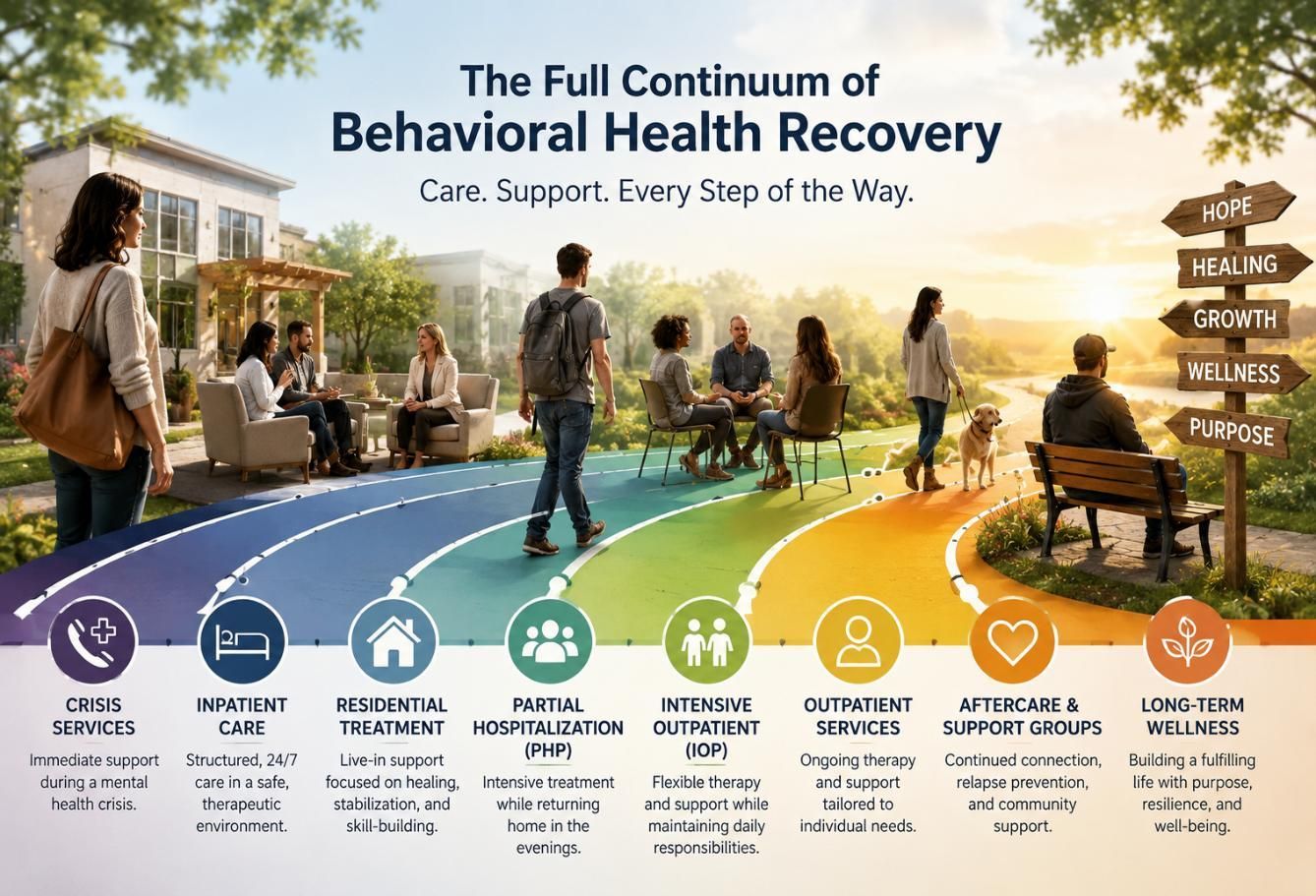
Recovery is possible, and treatment can help individuals regain stability, health, and control over their lives. Effective treatment often includes a combination of therapy, peer support, medical care, behavioral interventions, and relapse prevention strategies.
Recovery is not always a straight path, but many individuals successfully build healthier lives with the right support and resources.
Professional Insight
Understanding the Four C's can help individuals recognize addiction before its consequences become more severe. Early recognition often creates opportunities for intervention, support, and treatment that may significantly improve long-term recovery outcomes.
Common Misunderstandings About Addiction
Several misconceptions can prevent people from seeking help.
Mistake: Believing addiction is simply a lack of willpower.
Consequence: Delayed treatment and increased stigma.
Better Approach: Recognize addiction as a complex health condition that often requires professional support.
Mistake: Waiting for a crisis before seeking help.
Consequence: Greater health, financial, and relationship damage.
Better Approach: Address concerns as soon as warning signs appear.
Mistake: Assuming recovery is impossible after relapse.
Consequence: Loss of motivation and reduced treatment engagement.
Better Approach: Understand that setbacks can occur and are often part of the recovery process.
A Common Recovery Scenario
A common situation involves someone noticing increasing cravings, failed attempts to cut back, and growing problems at work or home. They may recognize the consequences but continue using because they feel unable to stop. Through professional treatment, education, counseling, and support, many individuals learn healthier coping strategies and begin rebuilding their lives.
Treatment Options That Address the Four C's
Professional addiction treatment is designed to address the cravings, compulsions, consequences, and loss of control associated with substance use disorders. Treatment plans may include:
- Medical detoxification when appropriate
- Individual counseling
- Group therapy
- Family support services
- Relapse prevention planning
- Mental health treatment
- Ongoing recovery support
Different individuals benefit from different levels of care, making personalized treatment important.
Comparing Self-Management and Professional Treatment
While some individuals attempt to manage substance use on their own, professional treatment often provides additional structure, accountability, and clinical support. Self-monitoring may help identify patterns, but persistent cravings, compulsive behavior, ongoing consequences, or loss of control typically warrant professional evaluation.
Treatment professionals can help identify underlying issues and develop strategies tailored to each individual's circumstances.
The Cost of Waiting
Delaying treatment can allow addiction-related problems to become more severe over time. Health complications, damaged relationships, workplace difficulties, legal concerns, and emotional distress often become harder to address when substance use continues unchecked.
Seeking help early may reduce the long-term impact of addiction and improve recovery outcomes.
[Reach Out Today to Learn More]
Frequently Asked Questions
What are the Four C's of addiction?
The Four C's of addiction are Craving, Compulsion, Consequences, and Control. These characteristics help explain how addiction affects behavior and why substance use can continue despite harmful outcomes.
Why are the Four C's important?
The Four C's provide a simple framework for recognizing common signs of addiction. They can help individuals, families, and professionals identify patterns that may indicate a substance use disorder.
Does experiencing cravings automatically mean someone has an addiction?
No. Cravings can occur without addiction. However, persistent cravings combined with compulsive use, negative consequences, and loss of control may indicate a more serious issue.
Can someone recover if they have experienced all Four C's?
Yes. Many individuals who experience all four characteristics successfully recover through appropriate treatment, support, and ongoing recovery efforts.
Is addiction a medical condition?
Yes. Major medical and behavioral health organizations recognize substance use disorder as a treatable medical condition that affects brain function and behavior.
When should someone seek professional treatment?
Professional treatment should be considered when substance use begins affecting health, relationships, work performance, finances, or overall quality of life.
Understanding the Four C's of addiction can provide valuable insight into how substance use disorders develop and persist. At Sanctuary Recovery Centers, we understand the challenges addiction can create and the importance of compassionate, evidence-based support for those seeking recovery.
Take the First Step Toward Recovery
Recovery starts with understanding the problem and knowing that help is available. If you or someone you care about is experiencing the Four C's of addiction, now may be the right time to explore your options.
[CONTACT SANCTUARY RECOVERY CENTERS TODAY]