Get Help With Your Addiction
The Power of Lived Experience in Adolescent Recovery: Why Connection Matters
Adolescence is a time of rapid change, and facing substance use or mental health challenges during these years can feel isolating for both teens and their families. In Phoenix, where young people navigate academic pressures, social expectations, and a fast-growing community, meaningful human connection often becomes one of the most important factors in the recovery process.
Quick Answer
Lived experience plays a powerful role in adolescent recovery because it creates genuine understanding, trust, and hope. When teens connect with mentors, peers, or professionals who have faced similar struggles, they often feel less alone and more willing to participate in treatment. These authentic relationships can strengthen engagement, improve communication, and reinforce long-term recovery alongside evidence-based clinical care.
What Local Families Should Know
- Teens often respond more openly when they feel understood by someone who has faced similar challenges.
- Recovery is strongest when professional treatment is combined with supportive peer relationships and family involvement.
- Phoenix families have access to a growing network of behavioral health resources that emphasize connection and community.
- Consistent support inside and outside treatment helps adolescents build confidence as they return to school, friendships, and daily life.
- Recovery is not a one-size-fits-all journey, and every teen benefits from an individualized approach.
Why This Matters Locally
For many families across Phoenix, including neighborhoods like Arcadia, Ahwatukee, North Mountain, and Desert Ridge, finding the right support can feel overwhelming. Maricopa County continues to prioritize behavioral health resources for youth, recognizing the importance of early intervention and ongoing care.
Transportation, school schedules, extracurricular activities, and family responsibilities can all affect treatment participation. Strong therapeutic relationships and meaningful peer support help adolescents stay engaged despite these everyday challenges. Whether a family lives near Camelback Mountain, Downtown Phoenix, or neighboring communities such as Scottsdale, Tempe, Mesa, or Chandler, connection remains a vital part of successful recovery.
Sanctuary Recovery Centers believes recovery is built through compassionate relationships, individualized care, and evidence-based treatment that helps adolescents develop healthy coping skills for lasting wellness. From this point forward, we focus on creating an environment where every teen feels heard, respected, and supported.
Local Field Observations
Behavioral health professionals frequently observe that adolescents become more engaged when they realize they are not alone in their experiences. While every recovery journey is unique, many teens initially struggle with feelings of shame, isolation, or fear of being judged.
In our experience working with families throughout the greater Phoenix area, trust often develops more quickly when young people interact with peers or mentors who genuinely understand the challenges of recovery. These authentic connections complement clinical therapy rather than replace it, creating a stronger overall treatment experience.
How Lived Experience Supports Recovery
Lived experience helps adolescents see that recovery is achievable. Hearing someone's personal journey demonstrates that setbacks do not define the future and that lasting change is possible.
Some of the biggest benefits include:
- Building trust more quickly.
- Reducing feelings of isolation.
- Encouraging honest conversations.
- Providing realistic hope for the future.
- Modeling healthy coping strategies.
- Reinforcing accountability.
- Supporting long-term motivation.
These relationships often help teens remain engaged during difficult moments when they may otherwise consider leaving treatment or withdrawing from therapy.
Warning Signs That Your Teen May Need Additional Support
Parents and caregivers should watch for patterns rather than isolated incidents. Some common warning signs include:
- Withdrawal from family and longtime friends.
- Sudden changes in mood or behavior.
- Declining academic performance.
- Loss of interest in hobbies or activities.
- Secretive behavior or dishonesty.
- Changes in sleep or eating habits.
- Increased conflict at home.
- Signs of alcohol or drug use.
These behaviors do not automatically indicate substance use, but they may signal that additional professional evaluation would be beneficial.
When to Seek Professional Help
Professional treatment is appropriate when emotional or substance-related concerns begin affecting a teen's safety, relationships, school performance, or daily functioning.
Parents can monitor occasional mood changes or typical adolescent stress at home, but ongoing substance use, self-destructive behaviors, persistent depression, anxiety, or significant behavioral changes deserve prompt evaluation. Early intervention often leads to better long-term outcomes and gives families more opportunities to address challenges before they become more severe.
Common Factors That Influence Adolescent Recovery
Every teen's situation is different, but several factors commonly affect recovery.
Family Relationships
Supportive communication and consistent involvement often strengthen treatment outcomes. Families play a central role in helping adolescents maintain healthy routines after formal treatment.
Peer Influences
Friends can either encourage recovery or contribute to continued substance use. Helping teens build healthier social connections is an important part of treatment.
Mental Health Conditions
Depression, anxiety, trauma, ADHD, and other mental health conditions may occur alongside substance use. Addressing both simultaneously often improves recovery success.
School and Community Stress
Academic expectations, extracurricular demands, social media, and peer pressure can create ongoing stress for adolescents throughout Phoenix and surrounding communities.
Prevention and Long-Term Support
Recovery continues long after formal treatment ends. Families can encourage ongoing progress by:
- Maintaining open, judgment-free communication.
- Participating in family therapy when recommended.
- Encouraging healthy friendships and activities.
- Establishing consistent routines.
- Supporting school engagement.
- Recognizing achievements, even small ones.
- Continuing follow-up care as recommended.
Regular check-ins help teens feel supported without feeling controlled.
What Families Can Expect
Recovery is a gradual process rather than a single event. Many adolescents experience increased emotional awareness, healthier communication, improved coping skills, and stronger relationships over time.
Progress may include setbacks, but those moments do not mean treatment has failed. Continued support, professional guidance, and meaningful relationships help teens develop resilience while working toward lasting recovery.
Common Mistakes Families Make
Mistake: Expecting Immediate Change
Consequence: Unrealistic expectations may create frustration for everyone involved.
Better Approach: Celebrate steady progress while understanding that recovery develops over time.
Mistake: Focusing Only on Substance Use
Consequence: Underlying emotional or mental health concerns may remain untreated.
Better Approach: Address the whole person through comprehensive care.
Mistake: Trying to Handle Everything Alone
Consequence: Families may become overwhelmed and miss valuable support.
Better Approach: Work with experienced professionals and participate in family-based services whenever appropriate.
Common Local Scenario
A Phoenix family notices their teenager becoming increasingly withdrawn, missing school, and avoiding longtime friends. After initially assuming it was typical adolescent behavior, they seek a professional assessment when concerns continue.
During treatment, the teen begins connecting with peers who understand similar struggles. Feeling understood reduces resistance to therapy, improves participation, and helps rebuild trust within the family. While every recovery journey differs, this type of experience reflects situations many families encounter.
Related Treatment Solutions
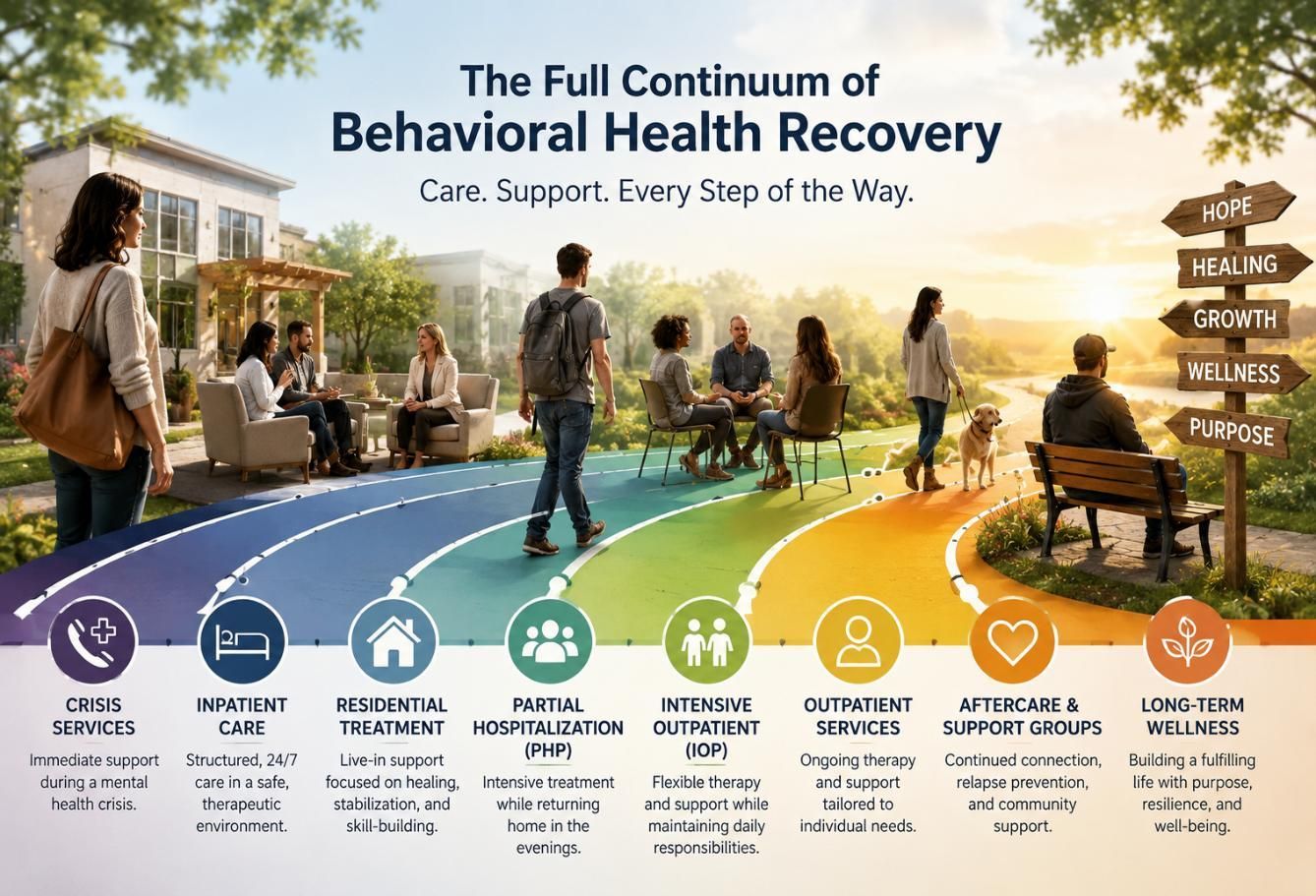
Adolescent recovery often includes a combination of services tailored to each individual's needs, such as:
- Individual counseling.
- Group therapy.
- Family therapy.
- Substance use treatment.
- Mental health treatment.
- Aftercare planning.
- Ongoing peer support.
The right combination depends on each adolescent's clinical assessment and personal goals.
Explore treatment options designed to support your family's unique needs
The Cost of Waiting
Delaying treatment can allow substance use or mental health concerns to become more disruptive over time. Academic performance, relationships, emotional well-being, and physical health may all be affected when challenges go unaddressed. Seeking support early gives adolescents the opportunity to build healthy coping skills before problems become more complex.
Learn about available treatment options
Frequently Asked Questions
Why is lived experience important in adolescent recovery?
Lived experience helps adolescents feel understood by people who have faced similar challenges. That shared understanding often encourages greater trust, stronger engagement in treatment, and increased hope throughout the recovery process.
How does family involvement improve recovery in Phoenix?
Family involvement strengthens communication, reinforces healthy routines, and provides consistent encouragement between treatment sessions. Active participation often helps teens apply new coping skills within everyday life.
Can peer support replace professional therapy?
No. Peer support works best alongside evidence-based treatment provided by qualified behavioral health professionals. Together, these approaches create a more comprehensive recovery experience.
Are recovery programs available for teens throughout the Phoenix area?
Yes. Families throughout Phoenix and neighboring communities have access to adolescent behavioral health services that address both substance use and mental health needs through individualized treatment plans.
What should parents watch for before seeking treatment?
Persistent behavioral changes, declining school performance, withdrawal from family, increased secrecy, or signs of substance use all warrant professional evaluation, particularly when they continue over time.
How long does adolescent recovery usually take?
Recovery timelines vary based on each adolescent's needs, treatment goals, and support system. Many teens continue developing healthy coping skills long after completing structured treatment.
Is aftercare important for families in Maricopa County?
Yes. Continued support after treatment helps adolescents maintain progress, strengthen healthy habits, and navigate new challenges as they return to school and community activities.
Can adolescents recover successfully after setbacks?
Yes. Setbacks are not uncommon and do not mean recovery has failed. With continued support, professional guidance, and strong relationships, many teens continue making meaningful progress.
Helping Teens Build Stronger Futures Through Connection
Recovery is about more than overcoming substance use or mental health challenges. It is about helping adolescents build confidence, healthy relationships, and hope for the future. Genuine human connection remains one of the most powerful tools available throughout that journey.
Ready to Support Your Teen's Recovery Journey?
Compassionate care and meaningful connection can make a lasting difference for adolescents and their families.