Get Help With Your Addiction
When a teenager is struggling with mental health, school, relationships, or substance use, parents may feel forced to choose between getting immediate help and keeping their child on track academically. For families in Phoenix and across the Valley, appropriate adolescent treatment can address both priorities.
The goal of adolescent residential care is not simply to remove a teen from everyday pressures. It is to create a structured, developmentally appropriate setting where young people can work on emotional regulation, healthier coping skills, personal growth, and academic progress while their families remain involved in treatment.
What local families should know
- Adolescents ages 12 to 17 have developmental needs that differ from those of adults, making age-appropriate treatment especially important.
- Sanctuary Recovery Centers offers adolescent mental health treatment with integrated substance use disorder support at the Roadrunner Home in Phoenix.
- The Roadrunner Home is designed as a comfortable residential setting rather than an institutional environment.
- Education continues during treatment through Sanctuary’s partnership with Mountain Pointe Academy, with an academic program intended to help students earn credits and stay on track.
- Family participation is incorporated through ongoing communication, visitation, and family therapy.
Why Do Adolescents Need Developmentally Appropriate Mental Health Care?
Adolescents need developmentally appropriate mental health care because treatment should account for their stage of emotional, social, academic, and personal development rather than simply applying an adult treatment model to younger clients. Teens are still learning how to identify emotions, respond to stress, navigate relationships, and make increasingly independent decisions.
For a young person experiencing significant mental health challenges, those normal developmental demands can become harder to manage. School responsibilities, friendships, family relationships, social pressure, and questions about identity and the future may all be happening at once.
Substance use can add another layer of complexity. Mental health symptoms and substance-related concerns may overlap, which is why our adolescent program provides mental health services with integrated substance use disorder support. Our program serves adolescents ages 12 to 17 and emphasizes individualized care, resilience, emotional growth, and healthier coping skills.
For Phoenix-area families, this means seeking a level of care designed around what teenagers actually need during this stage of life.
What Is the Roadrunner Home Like?
The Roadrunner Home is a residential behavioral health setting in Phoenix designed to provide adolescents with a calm, supportive, home-like place to focus on treatment and personal development. The single-story residence was fully renovated in 2023 and is intentionally designed to feel warm and welcoming rather than clinical or institutional.
Environment can matter when a teenager is already overwhelmed. A residential setting provides distance from some of the distractions and pressures that can make it difficult to concentrate on treatment at home.
At Roadrunner Home, we combine that comfortable setting with structure and clinical support. Treatment is designed to help adolescents work toward greater stability while developing skills they can continue using after residential care.
Its Phoenix location also keeps treatment within the Valley for families coming from communities throughout the metro area, including Scottsdale, Tempe, Mesa, Glendale, Paradise Valley, and other parts of Maricopa County.
How Does Treatment Address Mental Health and Substance Use Together?
Our adolescent program addresses mental health as the primary treatment focus while providing integrated support when substance use disorder is also part of a teenager’s clinical picture. This allows care planning to consider how emotional, behavioral, and substance-related challenges may interact instead of treating each concern in isolation.
A teenager may use unhealthy behaviors to cope with difficult emotions, stress, trauma, conflict, or other challenges. Treatment can help young people better understand those patterns while practicing alternatives.
Our approach emphasizes individualized treatment, emotional regulation, resilience, healthy coping, and personal development. The objective is not simply short-term behavior change. It is helping adolescents develop skills and greater self-awareness that can support them as they return to family life, school, and their community.
Can Teens Keep Up With School During Residential Treatment?
Yes, continuing education is built into the Roadrunner Home program so adolescents can work on their mental health without simply putting school on hold. Sanctuary partners with Mountain Pointe Academy, whose program is designed for students receiving treatment and helps participants earn credits intended to keep them progressing academically.
For parents, this can remove one of the major worries associated with residential treatment.
A teenager who needs a higher level of behavioral health support should not have to view getting help as giving up on education. Maintaining academic progress can also preserve a sense of routine, responsibility, and connection to future goals.
Families should discuss their teenager’s current school situation, existing credits, coursework, and anticipated transition back to school during the admission process so they understand how academic continuity will work for their child.
What Skills Can Teens Develop During Treatment?
Adolescent mental health treatment can help teens strengthen emotional regulation, healthy coping, resilience, confidence, communication, and other skills needed to respond to challenges more constructively. At Sanctuary, these skills are developed within individualized treatment rather than through a single identical plan for every adolescent.
Emotional regulation is particularly important. Teens need opportunities to recognize what they are feeling, understand how emotions influence behavior, and practice responding without automatically relying on unhealthy coping patterns.
Treatment can also support personal development. Adolescence is a period when young people are developing independence and a stronger understanding of themselves. Effective care should support that growth while providing appropriate structure and accountability.
These skills are intended to remain useful beyond Roadrunner Home, including when a teen returns to school, reconnects with friends, manages conflict at home, or encounters new stress.
Why Is Family Participation Important?
Family participation is an important part of adolescent treatment because a teenager eventually returns to relationships and routines outside the residential setting, making communication and family involvement part of the healing process. At Roadrunner Home, families can expect regular communication, phone contact, family therapy sessions, and weekly visitation opportunities.
Parents are not expected to disappear from their teenager’s life while treatment happens somewhere else.
Instead, family participation can help everyone better understand what the teen is working on and prepare for the transition home. Family therapy also creates structured opportunities to work on communication and other relationship dynamics within an appropriate therapeutic setting.
For families across the Phoenix metro area, staying engaged throughout care can help connect what happens in residential treatment with the home environment the adolescent will eventually reenter.
What Are Signs a Teen May Need More Intensive Support?
A teen may need a professional assessment when emotional or behavioral problems become persistent, severe, unsafe, or disruptive enough to interfere significantly with school, relationships, family life, or daily functioning. No single warning sign automatically means residential treatment is appropriate, which is why screening matters.
Parents may consider seeking professional guidance when they notice:
- Significant changes in mood or behavior that persist or intensify.
- Increasing difficulty functioning at school or keeping up with normal responsibilities.
- Withdrawal from family, friends, or previously meaningful activities.
- Unhealthy or increasingly risky ways of coping with emotional distress.
- Substance use occurring alongside mental health concerns.
- Repeated family conflict connected to worsening behavioral or emotional symptoms.
- Previous treatment that has not provided enough structure or stabilization.
- Concerns that a teenager may require more support than can safely or effectively be provided in their current environment.
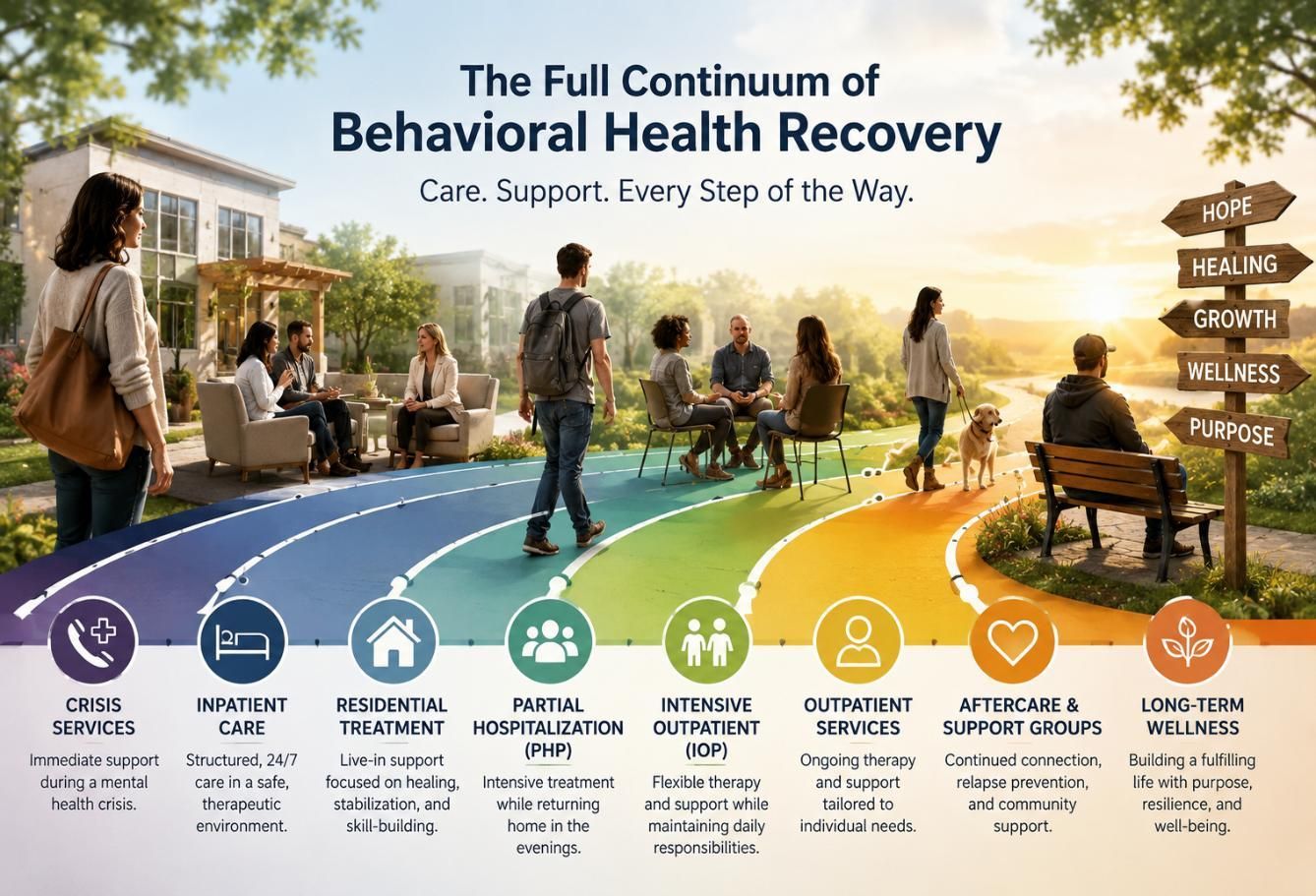
The appropriate level of care depends on the individual adolescent. Residential treatment is one option within a broader continuum of behavioral health services.
What Can Parents Expect During Screening and Admission?
Parents can expect the admission process to begin with information gathering and a detailed screening to determine the teenager’s needs and whether residential care is an appropriate fit. Sanctuary describes its screening process as evaluating factors including the frequency and severity of mental health or substance-related struggles and the overall need for treatment.
Our general admissions process begins with basic information about the person seeking care. An admissions team member then connects with the family, and our medical and counseling team helps determine an appropriate path forward. When care is appropriate, treatment planning is individualized rather than based on a one-size-fits-all approach.
Parents should use this process to ask questions. Discuss your teen’s mental health history, current medications when applicable, substance use concerns, school situation, previous treatment, family circumstances, and any immediate safety concerns.
Screening is also an opportunity for parents to understand what daily life, communication, education, visitation, and treatment will look like before admission.
What Can Families Expect During Residential Treatment?
Families can expect residential treatment to combine structured clinical care, education, personal development, peer connection, and continued family involvement within a supportive living environment. The exact treatment experience depends on each adolescent’s clinical needs and individualized treatment plan.
Parents should expect treatment to be a process rather than a quick reset.
Progress may involve learning to recognize emotions, practicing new coping strategies, improving communication, addressing substance-related concerns when present, participating in therapy, continuing schoolwork, and preparing for life after residential care.
Families also have a role in that process. Staying involved can help parents understand the skills their teenager is learning and how those skills may be supported after treatment.
Residential Care vs. Less Intensive Treatment
Residential care provides a more structured living and treatment environment, while outpatient options allow a young person to remain at home and participate in treatment on a scheduled basis. The appropriate choice should be based on clinical need rather than convenience alone.
Some teenagers can make progress while continuing their regular home and school routines. Others may need greater separation from current pressures, more consistent structure, or a higher level of clinical support.
That decision is why a thorough screening is so important. The objective is to identify an appropriate level of care for the adolescent’s current needs, not to place every teenager into the same program.
Adolescent Mental Health Treatment for Phoenix-Area Families
Sanctuary Recovery Centers provides adolescent residential mental health treatment in Phoenix for families seeking developmentally appropriate care with integrated substance use disorder support. Roadrunner Home serves adolescents ages 12 to 17 in a setting designed around treatment, education, personal development, and family participation.
Our Phoenix location can serve families from across the Valley, including nearby communities such as Scottsdale, Glendale, Tempe, Mesa, Paradise Valley, and other areas of Maricopa County.
Learn more about adolescent mental health treatment
Frequently Asked Questions About Adolescent Mental Health Treatment in Phoenix
What ages does Sanctuary’s adolescent program serve?
Our adolescent mental health program serves young people ages 12 to 17. Treatment is designed around the distinct emotional and developmental needs of adolescents rather than simply placing teens into an adult program. Individual screening helps determine whether the program and level of care are appropriate for a particular teenager.
Can my teenager continue school while receiving treatment in Phoenix?
Yes, education continues as part of the Roadrunner Home program. We partner with Mountain Pointe Academy, which provides an academic program designed for young people in treatment and helps students earn credits so they can continue progressing toward their educational goals rather than simply stopping school during residential care.
Does the program treat substance use as well as mental health concerns?
Yes, our adolescent mental health program includes integrated substance use disorder support when those concerns occur alongside a teen’s mental health needs. This approach allows treatment planning to address overlapping emotional, behavioral, and substance-related challenges as part of a more complete clinical picture.
Can Phoenix-area parents visit their teenager during treatment?
Yes, family involvement includes visitation and ongoing communication during treatment. Roadrunner Home states that families have weekly visitation opportunities, along with phone communication and family therapy sessions. These points of contact help parents remain engaged while their teenager focuses on treatment and development.
Is Roadrunner Home an institutional setting?
No, Roadrunner Home is intentionally designed as a warm, home-like residential environment. The single-story Phoenix residence was fully renovated in 2023 and includes spaces intended to create a calm and welcoming atmosphere where adolescents can focus on treatment without an institutional feel.
How do I know whether residential treatment is appropriate for my teen?
A professional screening is the appropriate way to determine whether residential treatment fits your teenager’s current needs. Sanctuary’s screening considers the nature, frequency, and severity of mental health or substance-related concerns and the overall need for treatment before determining an appropriate path for care.
Are parents involved in adolescent treatment?
Yes, parents and families are encouraged to remain involved throughout adolescent treatment. At Roadrunner Home, family participation includes ongoing communication, weekly visitation opportunities, and family therapy. This involvement helps connect the work a teenager does in treatment with relationships and routines outside the residential environment.
What happens after I contact Sanctuary about my teenager?
The process begins with basic information followed by contact from the admissions team and an assessment of the appropriate path for care. Sanctuary’s medical and counseling team participates in determining treatment needs, and families are walked through the process before an individualized treatment plan is established when admission is appropriate.
Help Your Teen Heal While Staying Connected to Their Future
Getting appropriate mental health support does not have to mean putting every other part of adolescence on hold. At Roadrunner Home in Phoenix, our goal is to give teens space and structure to focus on mental health while continuing their education, strengthening coping skills, developing personally, and remaining connected with their families.